Silk and Embroidery

The manual craftsmanship of mulberry silk quilt

The craft of silk production stands as a treasure of China's traditional handicrafts, encompassing the entire process from sericulture to finished silk textiles. It embodies the wisdom and creativity of the working people. Using silk as raw material, this craft employs intricate manual techniques to produce exquisite fabrics such as silk and silk floss. Several representative techniques have been inscribed on the national list of intangible cultural heritage and the UNESCO Representative List of the Intangible Cultural Heritage of Humanity.

Features of Silk Quilts:

‌Skin-Friendly & Breathable‌: Silk contains protein components similar to human skin, offering a smooth, delicate texture that minimizes skin irritation.
Moisture-Wicking & Temperature-Regulating: Its fiber structure rapidly absorbs and releases perspiration, keeping the bedding dry. It provides warmth in winter and dissipates heat in summer, maintaining a constant temperature year-round.
Antibacterial & Anti-Mite: Natural sericin components inhibit bacterial and mite growth, reducing allergy risks and promoting sleep hygiene.

Handicraft Process:

1. Cocoon Selection: Screen high-quality double-chamber cocoons, discarding inferior or damaged ones.
2. Cocoon Boiling: Place selected cocoons in boiling water to remove sericin (separating the silk fibers).
3. Cocoon Stripping: Manually remove the outer cocoon shell, opening each cocoon into individual silk caps.
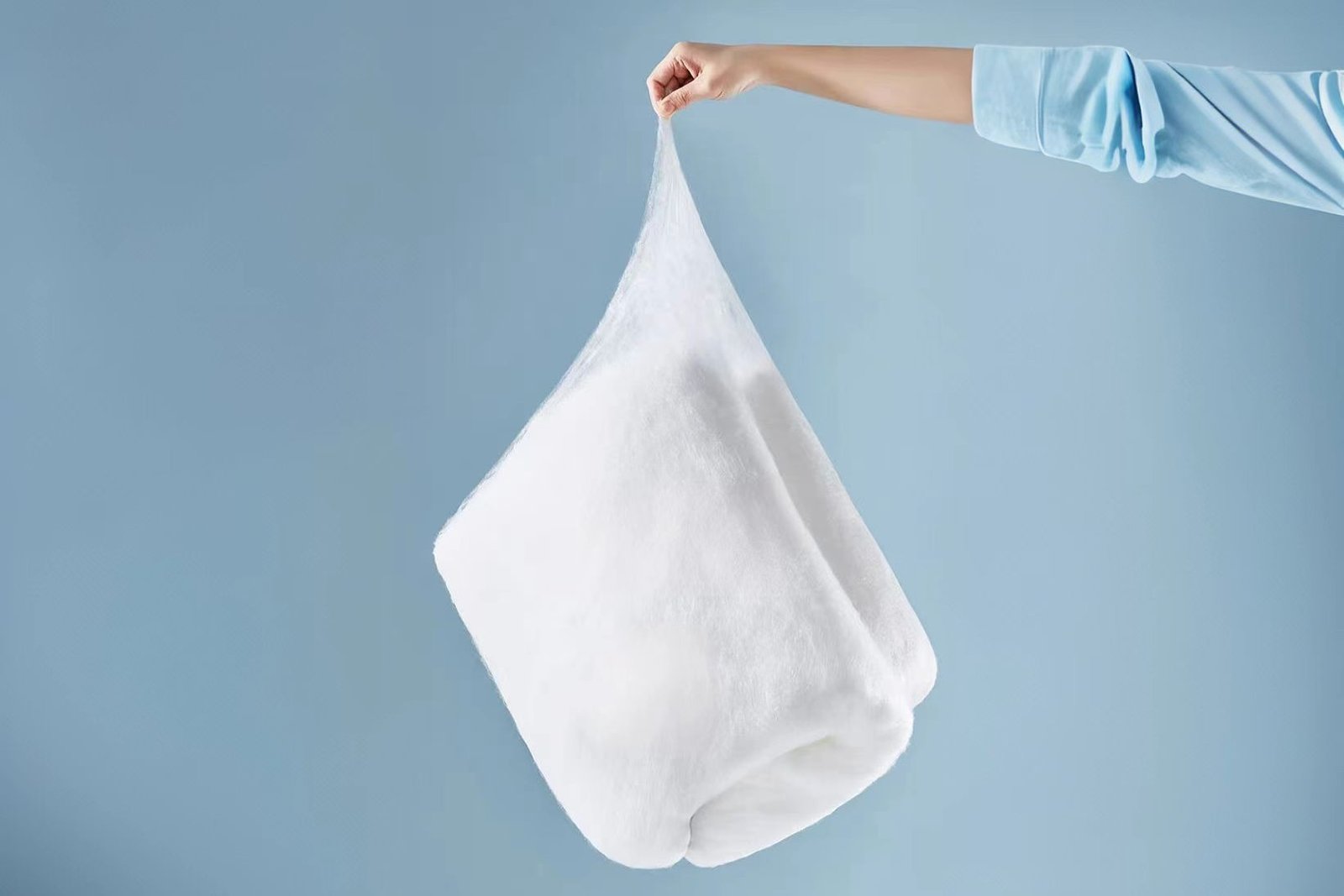
4. Silk Stretching: 4-6 artisans collaborate to manually draw the silk caps into uniform, lightweight floss sheets (core intangible cultural heritage technique).
5. Laying the batting: Overlap the batting sheets in a crisscross pattern according to the quilt core dimensions
6. Securing: Hand-quilt with natural cotton thread to fix the batting layers
7. Hemming: Hand-sew the quilt corners and hem to complete the finished product